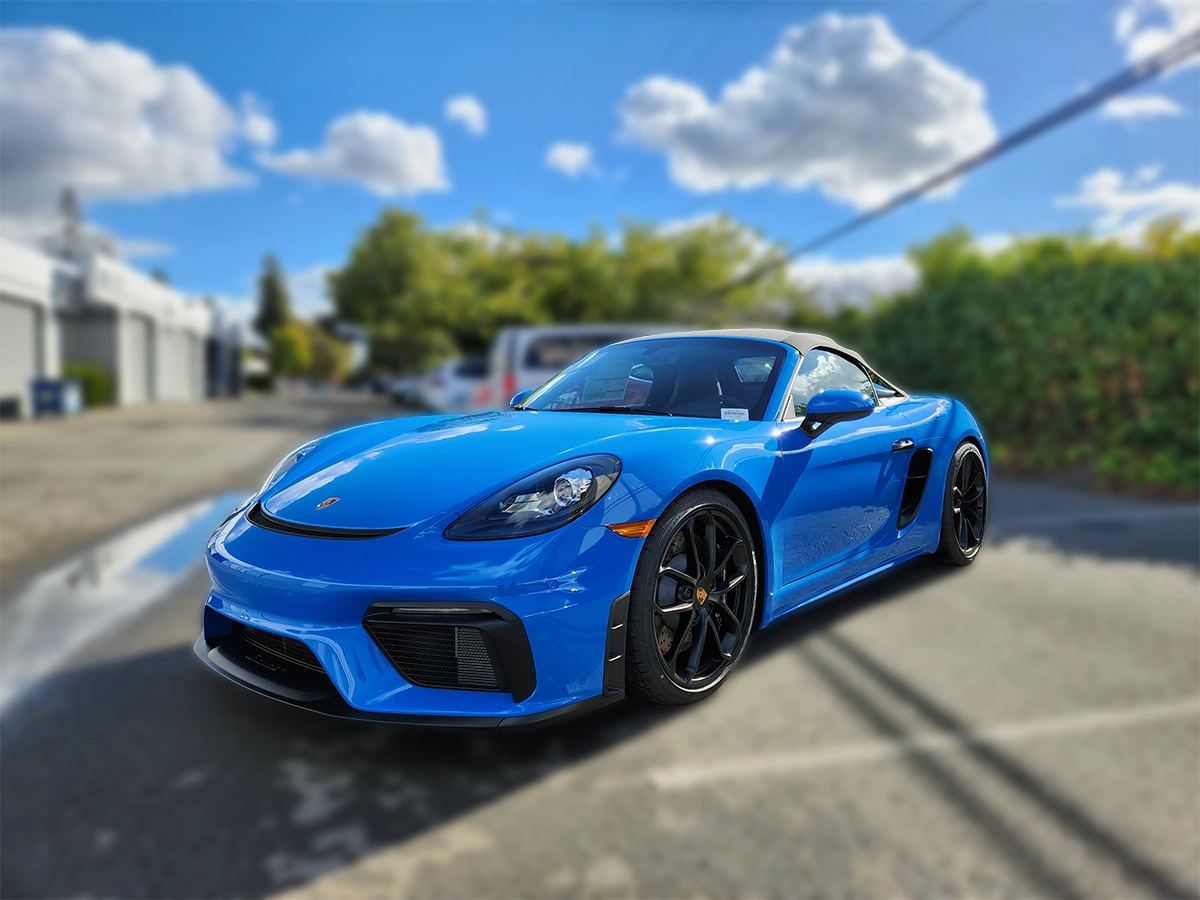
A vehicle wrap is one of the most flexible ways to change how your car looks. You can switch the color, go matte or satin or gloss, or add accents, all without touching the factory paint underneath. One of the first questions drivers ask is a fair one: how long will it last? The honest answer is that it depends, but the factors are easy to understand, and most of them are within your control.
What a wrap actually is
A wrap is a thin, adhesive vinyl film applied over your existing paint. Because it sits on top of the paint rather than replacing it, it can be removed later, and on paint that is in good shape it can even protect the surface from sun and light wear while it is on. A wrap is different from paint protection film, which is a thicker, clear layer meant mainly to guard against chips. A color wrap is about the look; the two can complement each other, but they are not the same product.
What determines how long a wrap lasts
Rather than a single number, think of a wrap's life as the result of a few things working together:
- Sun exposure. Constant, direct sunlight is the biggest factor. A car that lives in a garage or shade will keep its finish longer than one parked in full sun every day.
- Install quality. Clean prep, careful edge and seam work, and proper handling of curves all help the film stay put. This is where taking the time to do the job right pays off for years.
- Finish type. Gloss, satin, and matte films can age a little differently. Your installer can walk you through what to expect from the look you want.
- Washing and care. Gentle, regular cleaning keeps grime from working into the surface and edges, which helps the wrap look newer for longer.
- Where the panel is. Horizontal panels like the hood and roof take the most sun and weather, so they often show age before the sides do.
How to make a wrap last longer
Most of what extends a wrap's life is simple maintenance:
- Hand wash with a gentle automotive soap, and avoid stiff brushes and abrasive pads.
- Be careful with high-pressure jets, especially aimed straight at the edges and seams.
- Rinse off bird droppings, tree sap, and road grime promptly, since these can stain if left to sit.
- Dry the surface after washing so water spots do not build up.
- Park in shade or a garage when you can, to limit sun exposure.
Signs a wrap is nearing the end of its life
Over time you may notice the finish starting to dull, edges beginning to lift, or the color looking less even on the most sun-exposed panels. None of these mean anything went wrong; they are just the normal signs that a wrap has done its job and is ready to be refreshed. Because a wrap is removable, replacing it is a straightforward way to give the car a new look again.
Is a wrap right for you?
If you want a new color or finish without committing to a repaint, a wrap is a great option, and it keeps your original paint underneath. If you are mostly after chip protection, that is a different product worth asking about. The best move is to tell us about your vehicle and the look you are going for, and we will walk you through what will hold up well for how you drive and where you park. You can also try different looks in our Tint Studio before you decide.
A quick recap
- A wrap's lifespan depends mostly on sun exposure, install quality, and how it is cared for.
- Gentle hand washing and shade go a long way toward keeping it looking fresh.
- A wrap sits over your paint and can be removed, so refreshing the look later is simple.